
Starting university can feel like a mental workout before the classes even begin. You’re not just packing your bags, you’re recalibrating your mindset for one of the biggest transitions in your life. Learning how to mentally prepare for university can help you avoid burnout, manage stress, and start strong from day one. Whether you’re fresh out of high school or resuming studies after a break, this guide is here to help you build the mental resilience needed for success.
Key Takeaways
- Your mindset matters as much as your academic skills, develop both to feel more in control.
- Time management, self-awareness, and support systems are critical in reducing stress.
- There are specific, practical things to do to prepare for university that make your transition smoother.
8 Practical Ways on How to Prepare for University
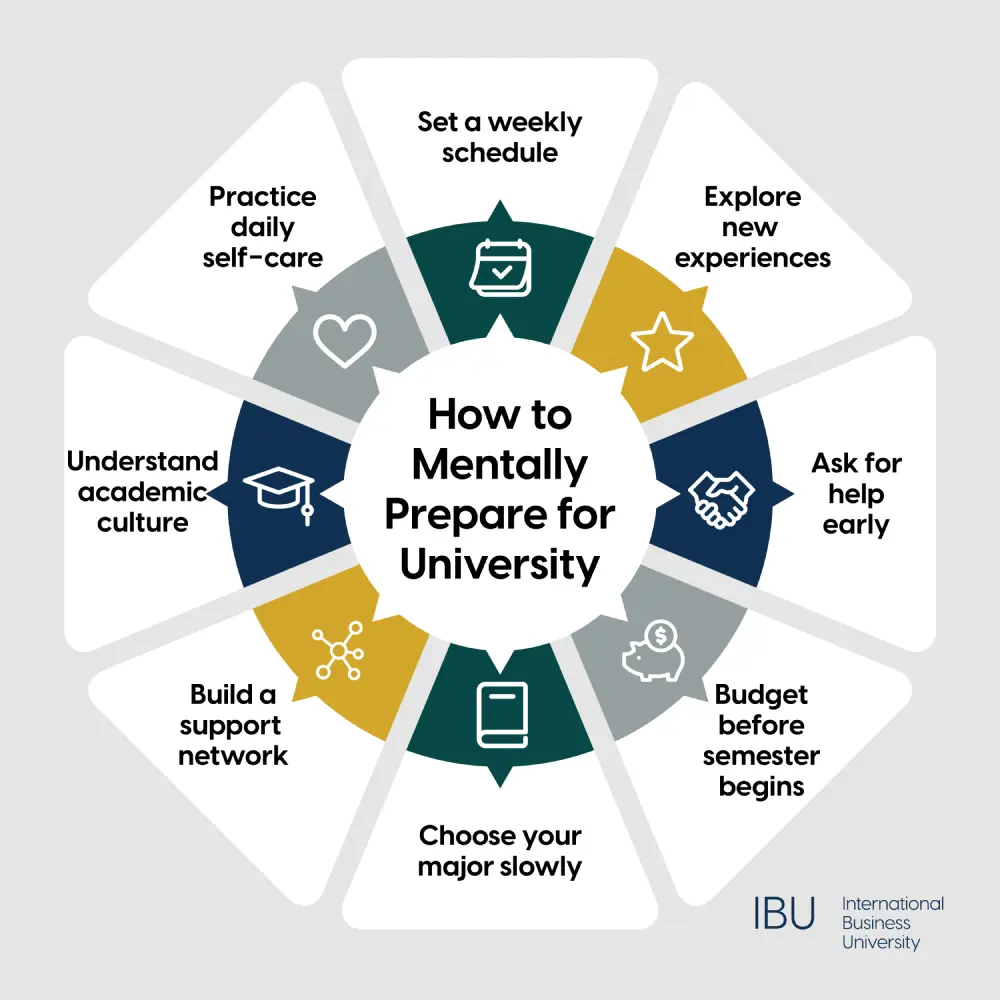
University life comes with new expectations, social dynamics, and responsibilities. Whether you’re asking how to prepare for university academically or emotionally, these practical strategies will help you build a strong foundation from day one.
1. Acknowledge That It’s New for Everyone
Feeling nervous is normal. No matter your background or goals, university brings a new rhythm to life. When you’re adjusting to a new routine, new people, and a different academic load, it helps to remind yourself that everyone else is doing the same. You’re not the only one figuring it out.
Instead of expecting yourself to have all the answers on day one, focus on one thing: being open. Want a good way to learn how to prepare for the first day of university? Start by reviewing your class schedule, visiting campus resources, and finding one person you can talk to during the first week. These small steps can make a big impact.
2. Develop a Practical Time Management System
One of the most underrated things to do to prepare for university is learning how to manage your time. You’ll have more freedom than ever before, but also more responsibility. Without structure, deadlines sneak up, stress builds, and motivation fades.
Here’s how to take control:
- Set a weekly schedule with class times, study blocks, and personal breaks.
- Use tools that work for you, whether that’s a physical planner or a digital calendar.
- Break down large assignments into small, manageable steps to stay on track.
For a more detailed breakdown, how to prepare academically for starting university covers the specific standards and expectations you will face from your first assignment.
3. Stay Open to New Experiences
This isn’t high school anymore, and that’s a good thing. University is your chance to try things you’ve never done before. Joining clubs, attending workshops, or stepping into leadership roles all help you grow in ways that classrooms don’t.
Be curious. If something grabs your interest, follow it. You might surprise yourself by discovering new talents, forming friendships across cultures, or even shifting your academic goals. This kind of exploration is a powerful way to mentally prepare for university, especially when you’re building confidence in a new environment.
4. Know When to Ask for Help
You don’t need to do it all alone. University campuses offer support services designed for situations just like yours. If you’re struggling academically, feeling isolated, or unsure about your next step, reach out.
Support can look like:
- Academic advisors to help with course planning
- Mental health counseling for stress and anxiety
- Study groups or mentorship programs that provide accountability
Reviewing study tips for first-year university students before the semester begins gives you a clearer picture of what strong performance looks like and where to focus first.
At IBU, students also benefit from the “Keep Me Safe” service, a 24/7 multilingual counseling platform accessible worldwide. Whether you need emotional support, academic direction, or just someone to talk to, real-time help is just a call or message away.
Start at IBU This Year
IBU’s BCom and MBA programs include academic advising, peer support, and 24/7 mental health access from day one.
5. Take Time Choosing Your Major
Choosing a major isn’t just about picking a subject. It’s about finding something that aligns with your future goals and how you want to spend your time. If you’re unsure, that’s completely normal. Rushing into a decision could cost you time and money.
What to do to prepare for university major selection:
- Take introductory courses in areas that interest you.
- Book sessions with career advisors to explore personality-aligned pathways.
- Connect with upper-year students for insights on course loads and expectations.
Planning ahead reduces stress and helps you make confident decisions.
6. Build a Support Network Early
Moving to university often means moving away from your existing support system. This can feel isolating, unless you build a new one on campus. One of the smartest steps you can take early on is connecting with peers, professors, and mentors.
Here are a few ways to do that:
- Attend campus orientation and social events.
- Introduce yourself in classes or join study groups.
- Build relationships with teaching assistants and professors during office hours.
Practical advice on building connections in university gives you a concrete starting point for making introductions before the social awkwardness of the first weeks wears off.
7. Prepare Your Mind by Preparing Your Budget
Mental stress is often tied to money worries. One of the most direct ways to mentally prepare for university is to get your finances in order before the semester starts, and adults exploring how to prepare for university as a mature student find that financial planning is just one part of a broader preparation process.
Steps to take:
- Create a basic monthly budget that includes tuition, housing, food, and transportation, and applying budgeting tips for students makes that starting budget more systematic and easier to maintain.
- Look into student grants, scholarships, or part-time job options on campus.
- Track your expenses during the first few months and adjust as needed.
A full guide to budgeting tips for students covers income tracking, spending limits, and the apps that make managing money simpler throughout the year.
8. Practice Self-Care as a Daily Routine
It’s easy to overlook self-care when classes, social events, and deadlines pile up. But building simple routines helps protect your mental space throughout the semester.
What to include in your routine:
- Prioritize sleep, fatigue leads to stress and poor focus.
- Plan meals and snacks that fuel you during long days.
- Schedule breaks and downtime between classes or study sessions.
These habits create stability in an otherwise unpredictable environment. Self-care isn’t a reward, it’s a baseline.
University Preparation: Academic Culture and Expectations
Transitioning to university means adjusting to new academic standards. Expectations around participation, research, independent learning, and assignment deadlines can be very different from what you’re used to.
Start by reviewing your program syllabus and learning outcomes. Professors will expect you to take initiative, engage in critical thinking, and contribute meaningfully to discussions. Learn how academic integrity works, understanding plagiarism, citation styles, and referencing early on will save you from unnecessary stress.
Reviewing how to prepare academically for starting university gives a clearer picture of what is expected and how to meet those standards from the first assignment.
Create a University Mental Health Plan Before You Need It
Stress, loneliness, and pressure can catch you off guard, especially during exam season. That’s why building a mental health plan ahead of time can make a big difference.
Here’s what that looks like:
- Know where and how to access counseling or peer support services on campus.
- Choose at least one activity each week that helps you relax or recharge.
- Identify early signs of burnout in yourself and have a strategy in place.
By having tools and support lined up in advance, you won’t be scrambling if you hit a rough patch mid-semester. Planning for your mental wellness is just as important as planning your classes or budget.
Programs Built Around Your Success
IBU builds academic advising, mental health support, and career services directly into every program.
Preparing for University Mentally and Physically
If you’re serious about succeeding in university, don’t wait until the first assignment is due. Start preparing your mindset today. From managing your time to building your network and practicing self-care, everything you do now helps reduce stress later.
Learning how to mentally prepare for university isn’t just about study tips, it’s about building resilience. By focusing on your mental health, financial stability, and social connections, you’ll walk into your first semester with confidence and clarity.
Take the First Step
IBU’s BCOM and MBA programs are built around structured support, advising, and peer resources from week one.
Frequently Asked Questions
What does it mean to be prepared for university in Canada?
Being prepared for university means having a realistic study schedule, a clear understanding of your program’s expectations, and a peer and advisor support network established before the first week. Students who address these areas before the semester begins adjust faster and perform more consistently throughout the year.
How do you manage stress and anxiety in the first year of university?
Managing first-year stress starts with structure: a consistent schedule, regular breaks, and a clear sense of where to go when academic or personal pressure builds. Building the habit of using campus support services early, rather than waiting until you are already behind, reduces how severely stress compounds.
What is the most important thing to do before starting university?
The most direct preparation is building a weekly schedule that accounts for class time, independent study, and personal recovery before the semester starts. Students who arrive with a working time structure adjust to the workload significantly faster than those who build it reactively after deadlines begin.
What university mental health resources are available to Canadian students?
Most Canadian universities offer on-campus counseling, peer support programs, and crisis lines that students can access from the first week of enrollment. IBU students also have access to Keep Me Safe, a 24/7 multilingual counseling service available by phone or message from anywhere in the world.
How long does it take to adjust mentally when starting university?
Most students find the primary adjustment period lasts four to six weeks, after which the rhythm of lectures, deadlines, and social expectations becomes more predictable. Students who build study structure and peer connections in the first two weeks consistently report a shorter and less stressful transition period.