Delegation means assigning ownership of a task, along with the power to make decisions about it, to someone else. It is different from simply handing off work. A manager who delegates a task but still makes every decision within it has not actually delegated anything....
Crisis communication is the difference between a leader who steadies a team during a disruption and one who loses their confidence at the exact moment it matters most. Every organization eventually faces a moment, a product failure, a data breach, a public complaint,...
Leadership communication is the mechanism that turns a decision into action across a team. A leader can make the right call, but if that decision is communicated poorly, the team executes on a version that never matches the original intent. Most professionals learn to...
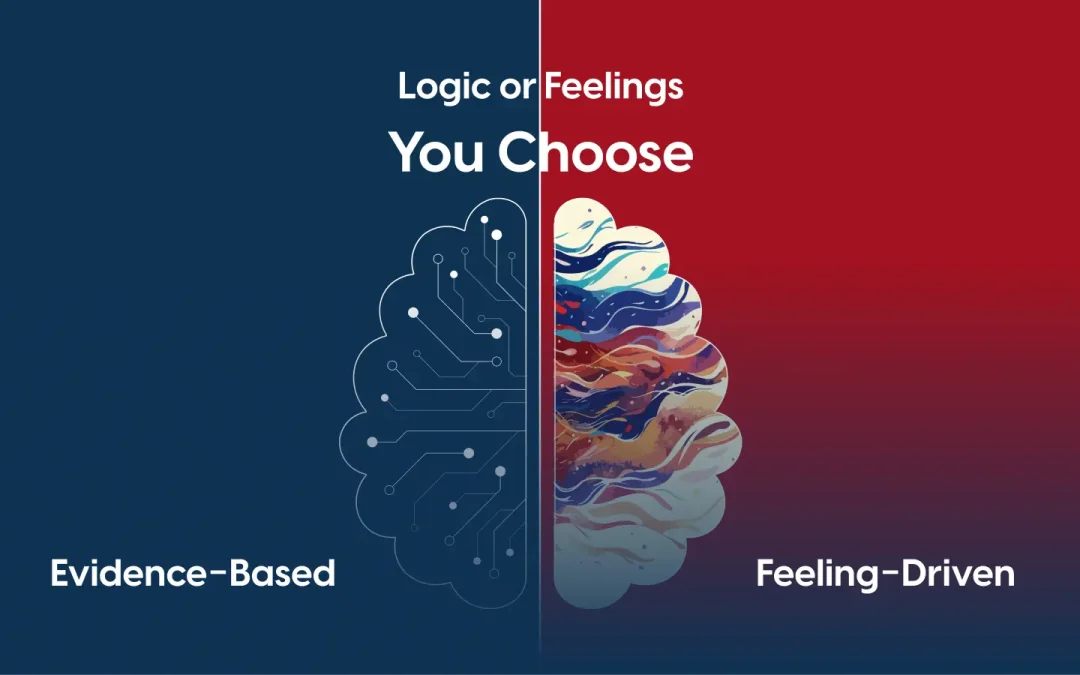
Every day involves hundreds of decisions, from small ones like what to eat to consequential ones like which career path to pursue or how to handle conflict. The difference between a decision you stand behind and one you regret often comes down to a single variable:...
Reasoning skills determine how you evaluate information, form judgments, and act under uncertainty. Strong reasoning skills support better academic performance, sharper business decisions, and clearer communication in high-stakes situations. This guide explains how to...
Communication determines how leadership shows up long before titles appear. Every conversation signals competence, intent, and credibility. The 7Cs of communication skills and Communication 101 focuses on clarity, responsibility, and direction rather than volume or...