Every hospital speaks two languages. One is the language of people, budgets, and quality: who is on shift, what the unit can afford, and why wait times went up. The other is the language of information: patient records, coding, privacy rules, and the systems that move...
Every hospital runs on two ladders. Clinicians climb one, from new nurse or resident to head of a department. The other ladder belongs to the people who run budgets, staffing, projects, and systems, and most students never hear it named. That second ladder is where...
Predictive analytics in healthcare applies statistical models and machine learning to clinical, operational, and financial data to anticipate outcomes such as patient readmission risk, staffing demand, or equipment failure. The shift it enables is fundamental: from...
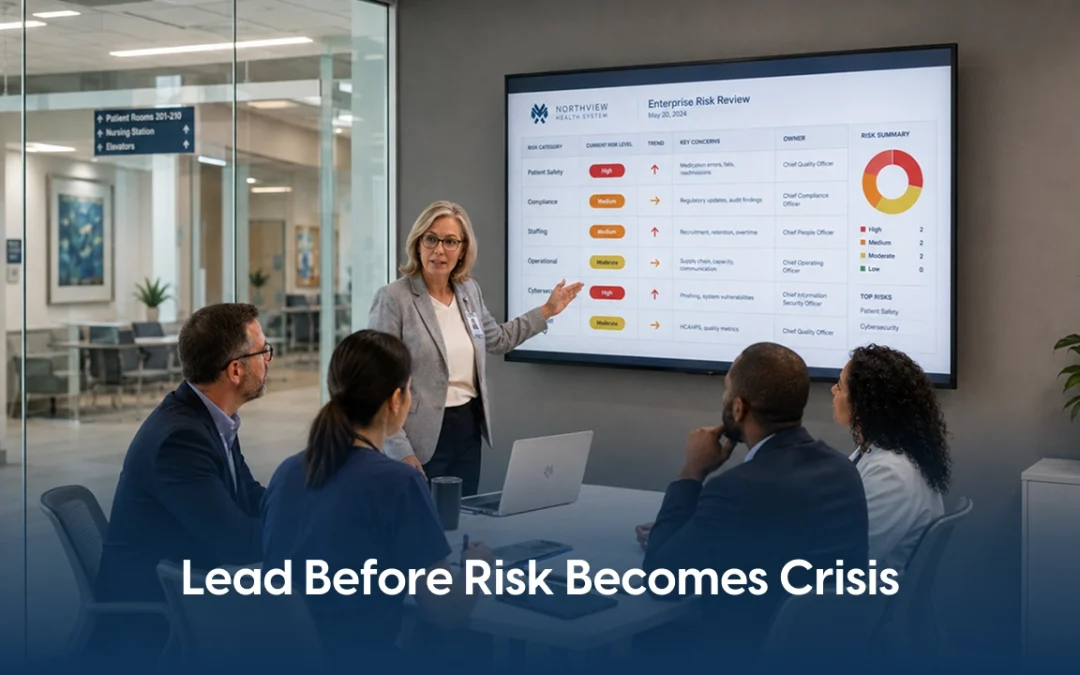
Risk management in healthcare is the practice of identifying, evaluating, and reducing the events that can harm patients, staff, or the organization before those events happen. It sits above every other management function because a single unmanaged risk, a medication...
A healthcare administration degree prepares graduates to manage the operational and financial functions inside hospitals, health authorities, and healthcare companies. The credential exists in more than one form across Canadian institutions, which creates genuine...
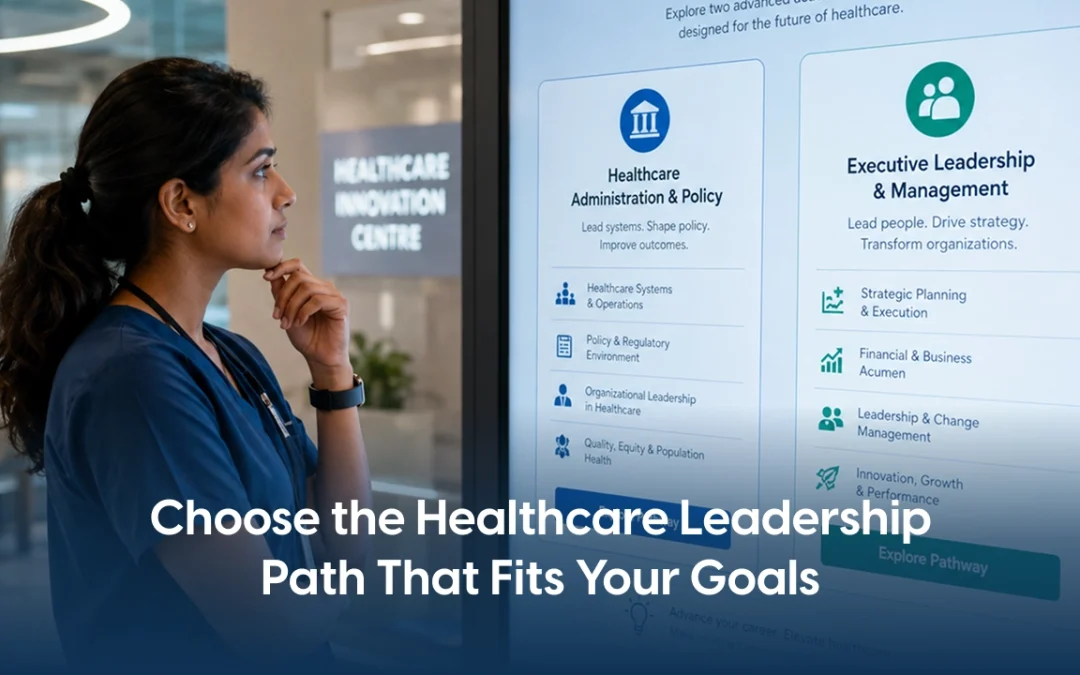
A masters in healthcare management in Canada prepares graduates for leadership roles across hospitals, health authorities, and healthcare companies. The value of the credential depends heavily on the specific career direction a candidate is targeting. Candidates...